

Solar · Battery storage
Battery Storage in MA, NH & ME
Keep the circuits that matter running through an outage, charged by your own panels.
The short answer
Pick the circuits first, then the battery
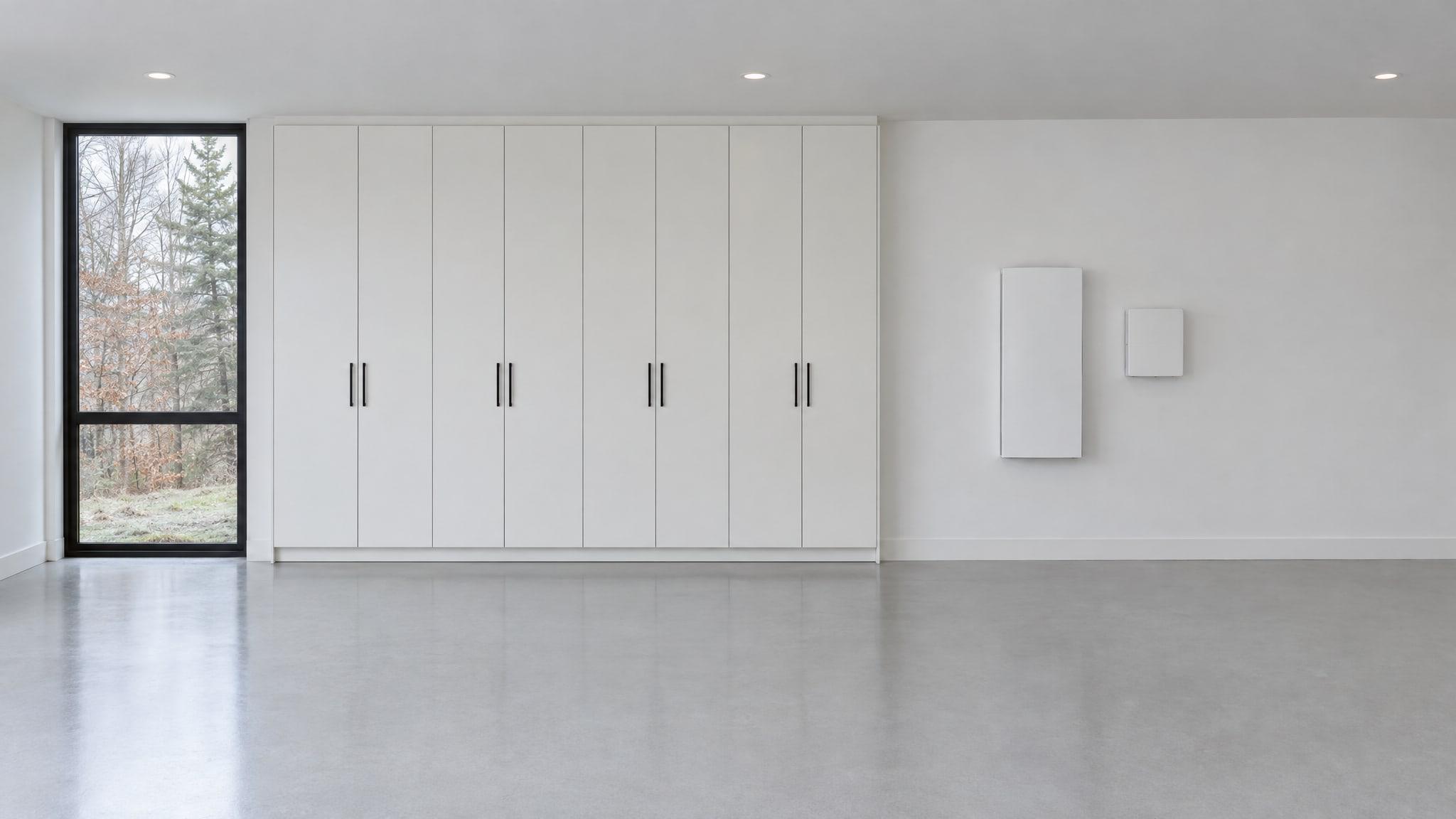
Battery storage is a home battery that stores power from your panels or the grid and runs the circuits you choose when the power goes out. We size it to the loads that matter and wire it into your panel ourselves.
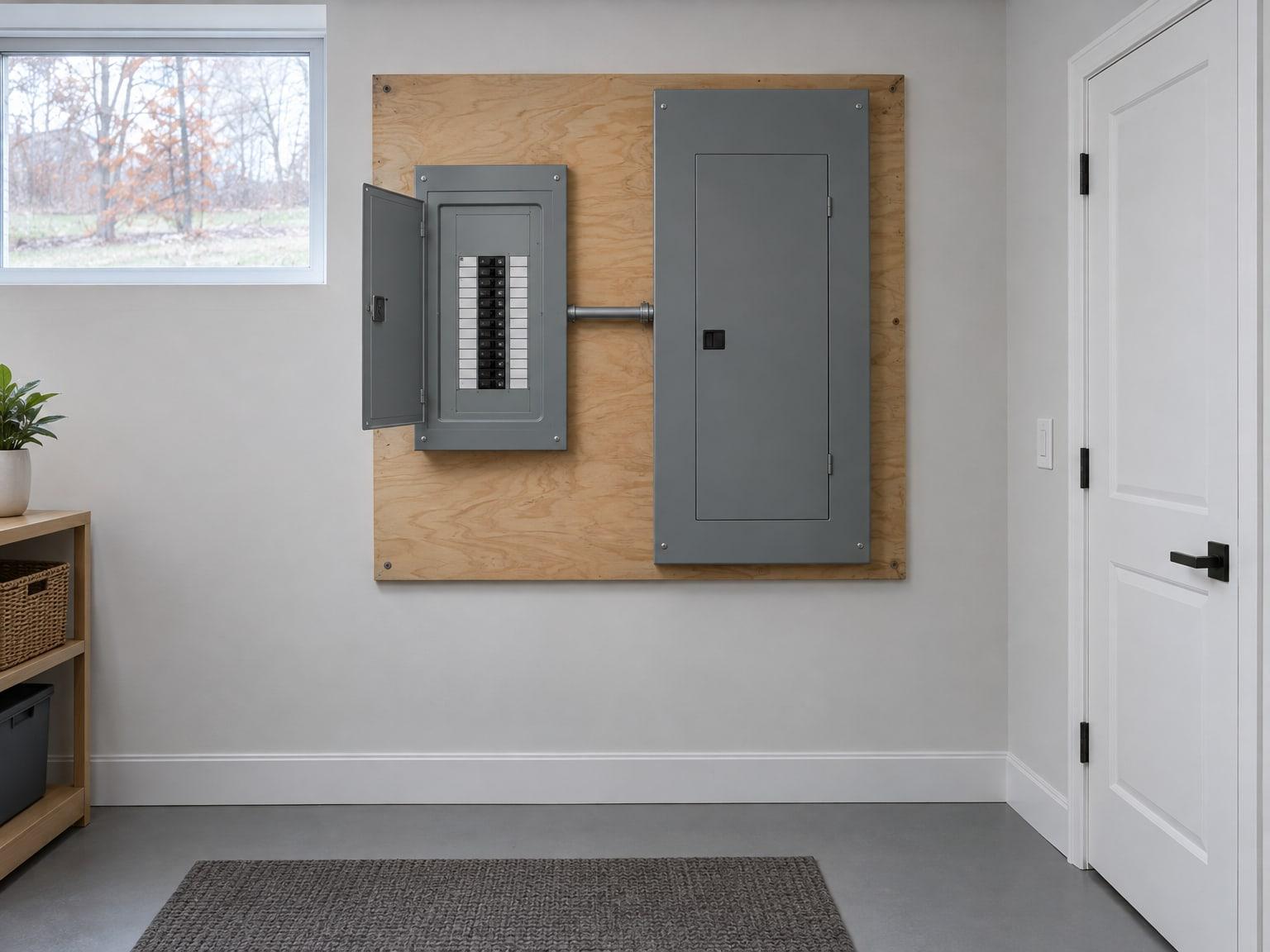
A battery is sized by what it has to carry and for how long. We start with a list: furnace or boiler, well pump, sump pump, fridge, a few lights and outlets. Those circuits move to a critical-loads panel, the battery and its controls go in beside it, and when the grid drops the house switches over on its own. With solar on the roof, the battery recharges during the day, so a long outage does not drain it for good.
List the must-run circuits
We walk the house with you and write down what has to stay on.
Size and place it
We size the battery to that list and pick a spot with code clearances, usually the garage or basement.
Wire, inspect, test
We install the battery and critical-loads panel, pass inspection, then pull the main to prove it works.
Done right
Backup power planned around your house

Sized to real loads
The circuits on your list, not a catalog number.
Installed by the owners
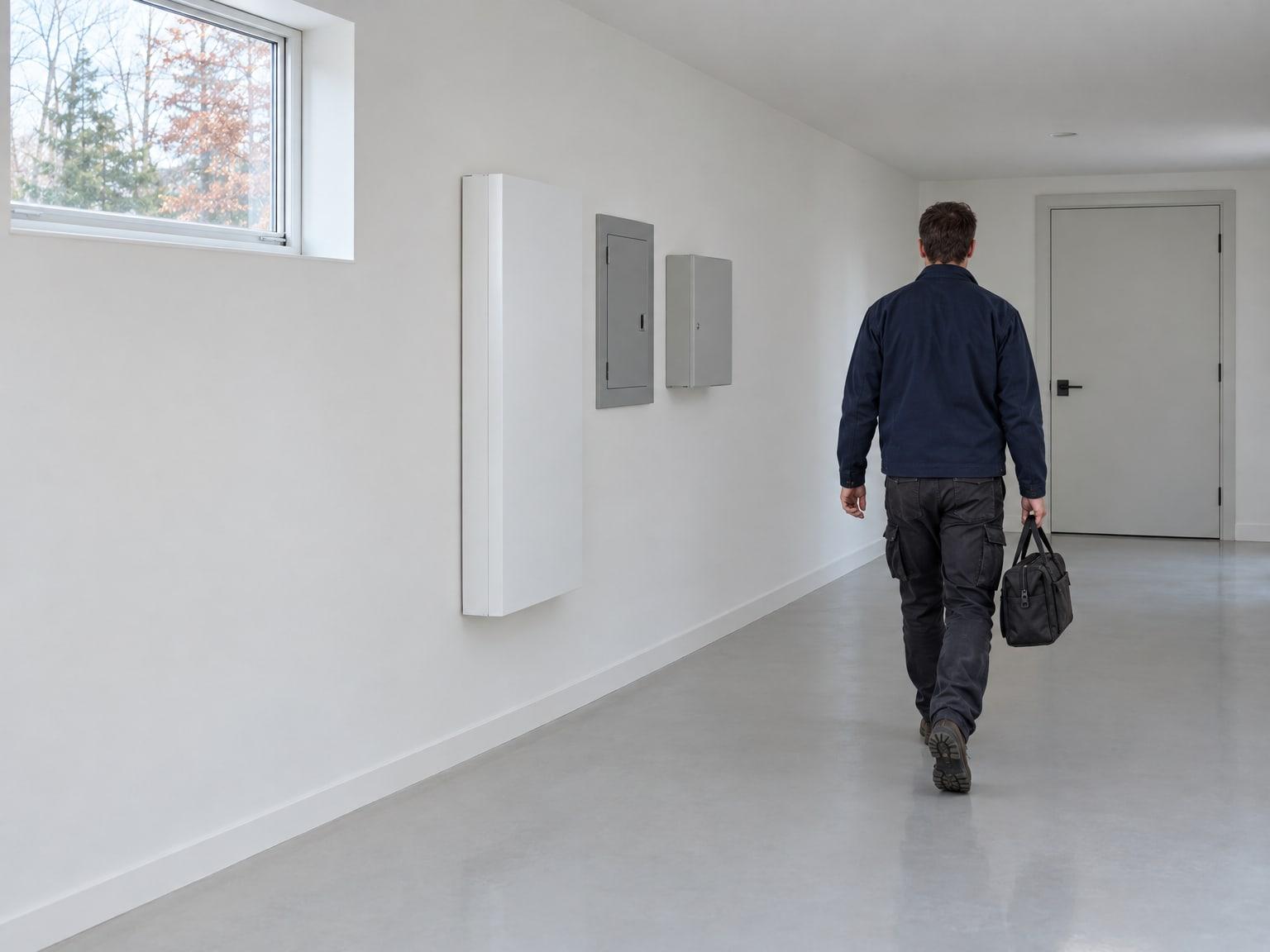
The battery, subpanel and controls in one licensed install.

Recharged by your roof
Solar refills it during a long outage.
New England outages
Keep the well and the sump pump running
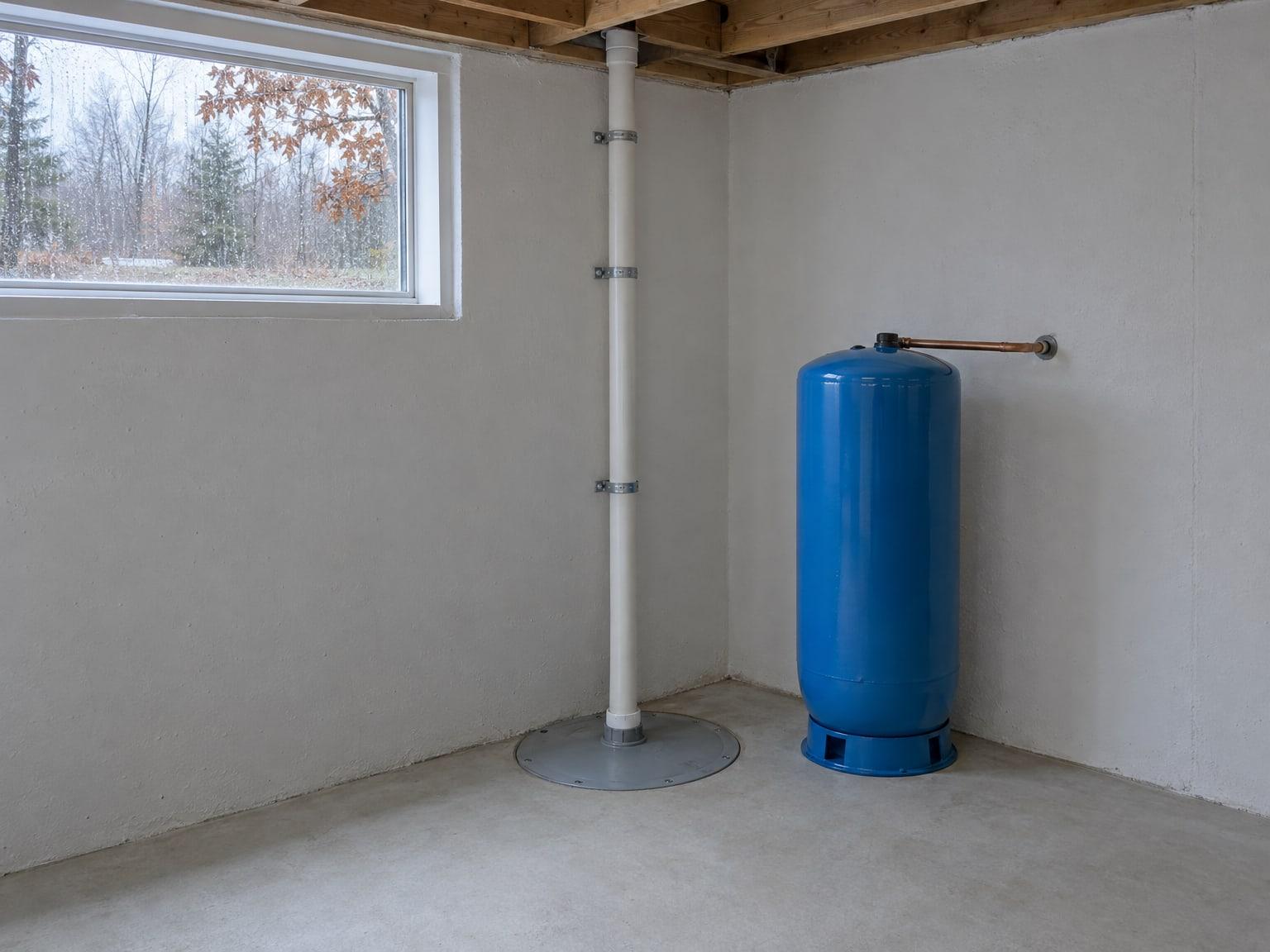
Many homes here rely on a well pump for water and a sump pump to keep the basement dry, and both stop the moment the power drops. Putting them on a battery circuit is often the first reason homeowners call us about storage. We wire those two circuits first, then add what the battery has room for.
Questions
Battery Storage: common questions
Can I add a battery to the solar I already have?
Usually, yes. It depends on your inverter and panel; we check both on the first visit and tell you in writing what the add-on needs.
Which circuits does the battery carry in an outage?
The ones on your must-run list, usually the furnace or boiler, the well pump, the sump pump, the fridge and a few lights and outlets. They move to a critical-loads panel beside the battery, and with solar on the roof the battery recharges during the day.
Will a battery run my whole house?
Most homes put the essentials on the battery rather than everything. Central air, electric ranges and dryers draw too much for a typical home battery, so we leave them on the main panel.
Related work
Often done in the same visit
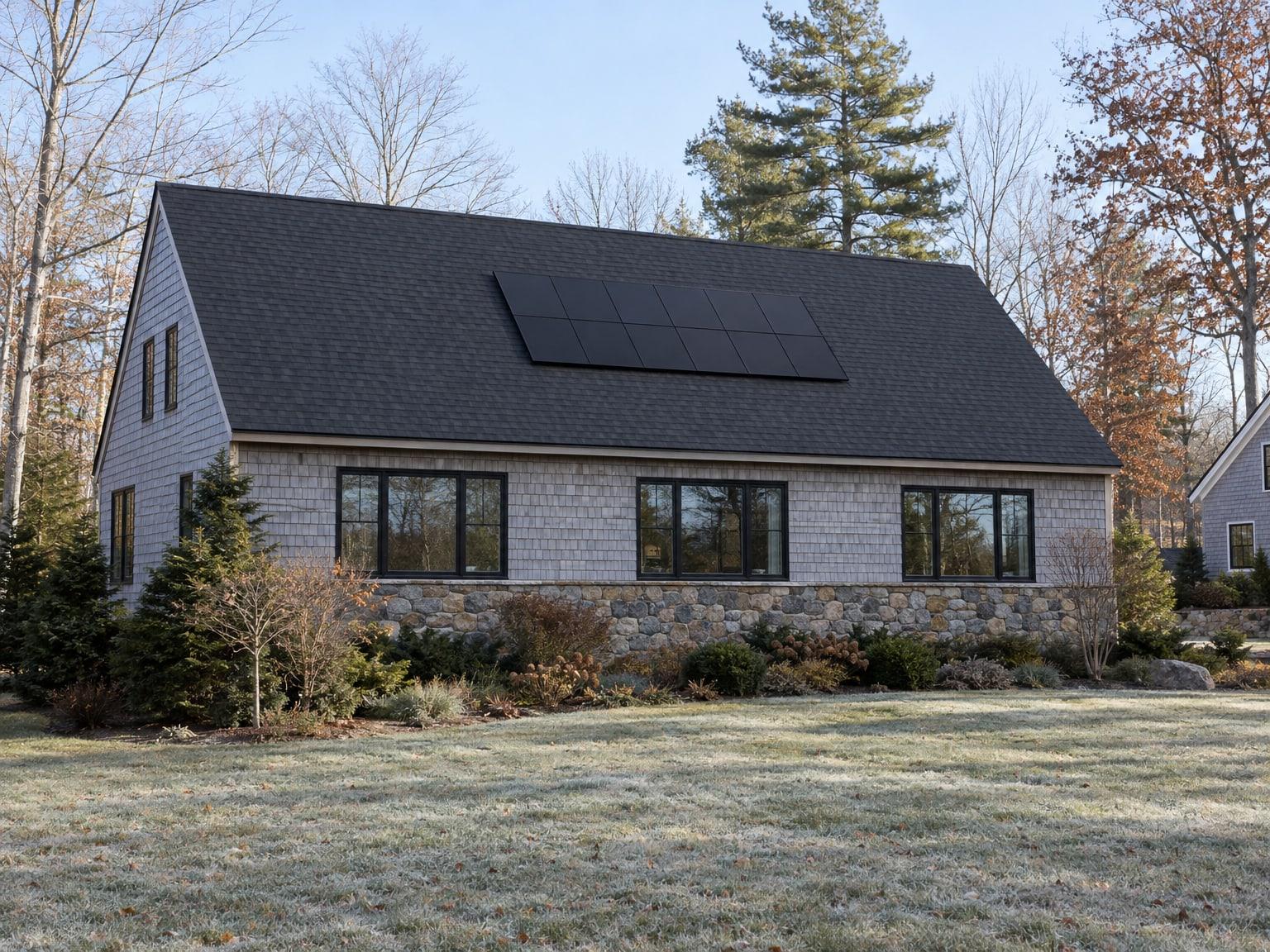
Residential Solar Installation
Panels, inverter and the panel-side wiring, installed by one licensed crew.
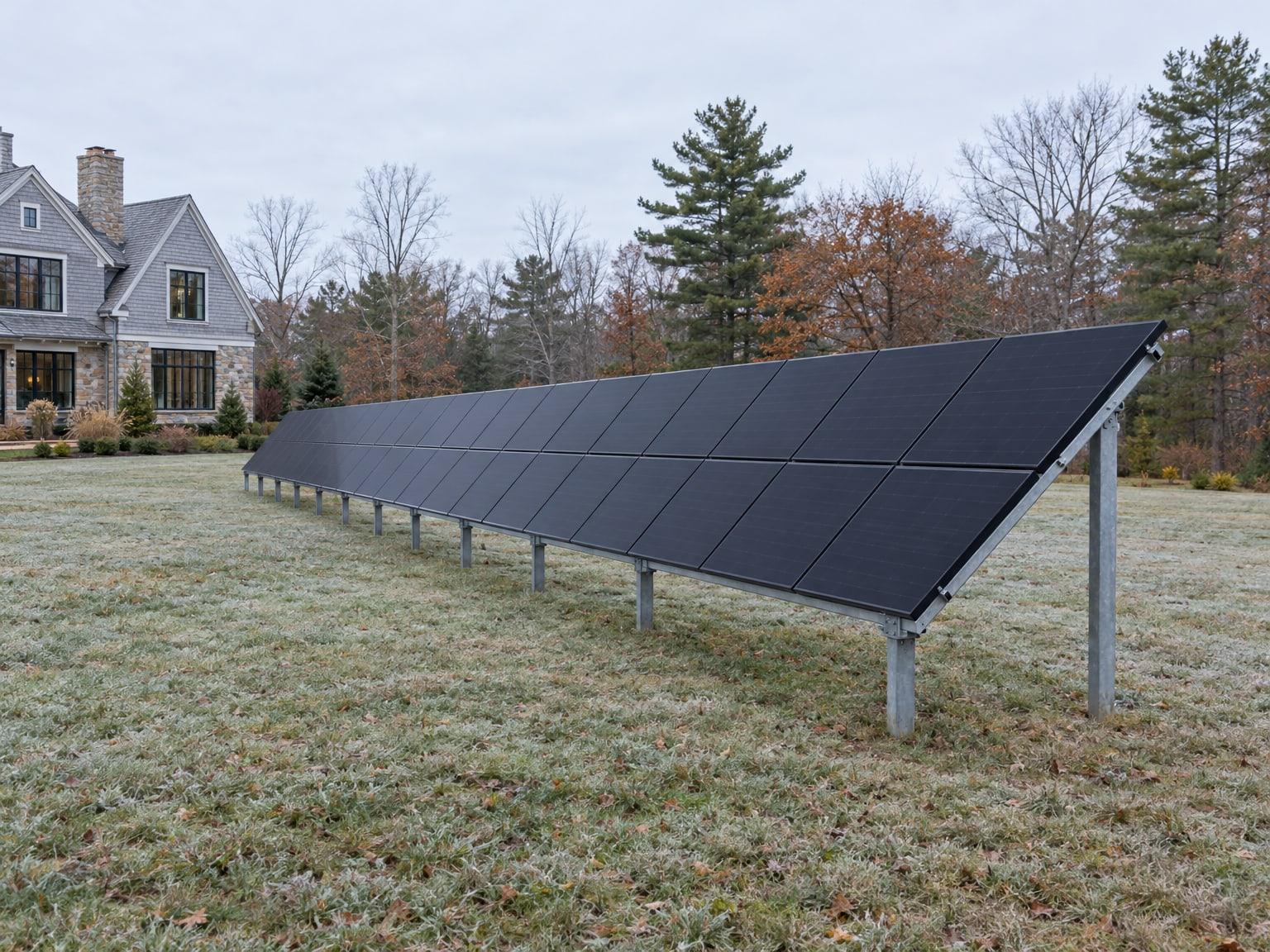
Service for systems we didn't install
If your installer went under, we service systems we did not install.
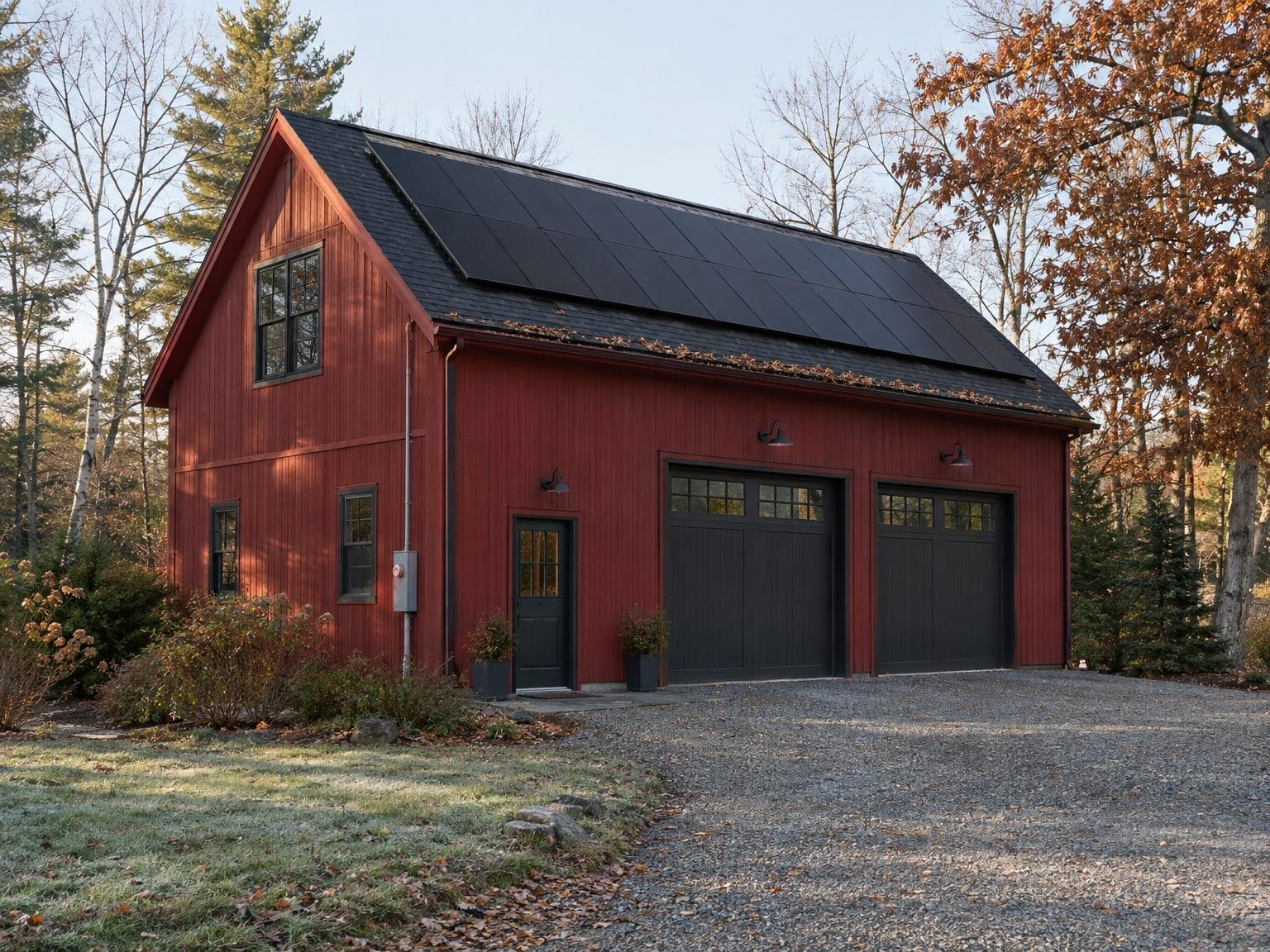
Solar Maintenance
Production checks, inverter faults and loose connections, found and fixed.
See your 25-year number before anyone calls you
Two numbers in to see 25 years of savings. Leave your number only if you want a call, and an owner replies in the same business day.